
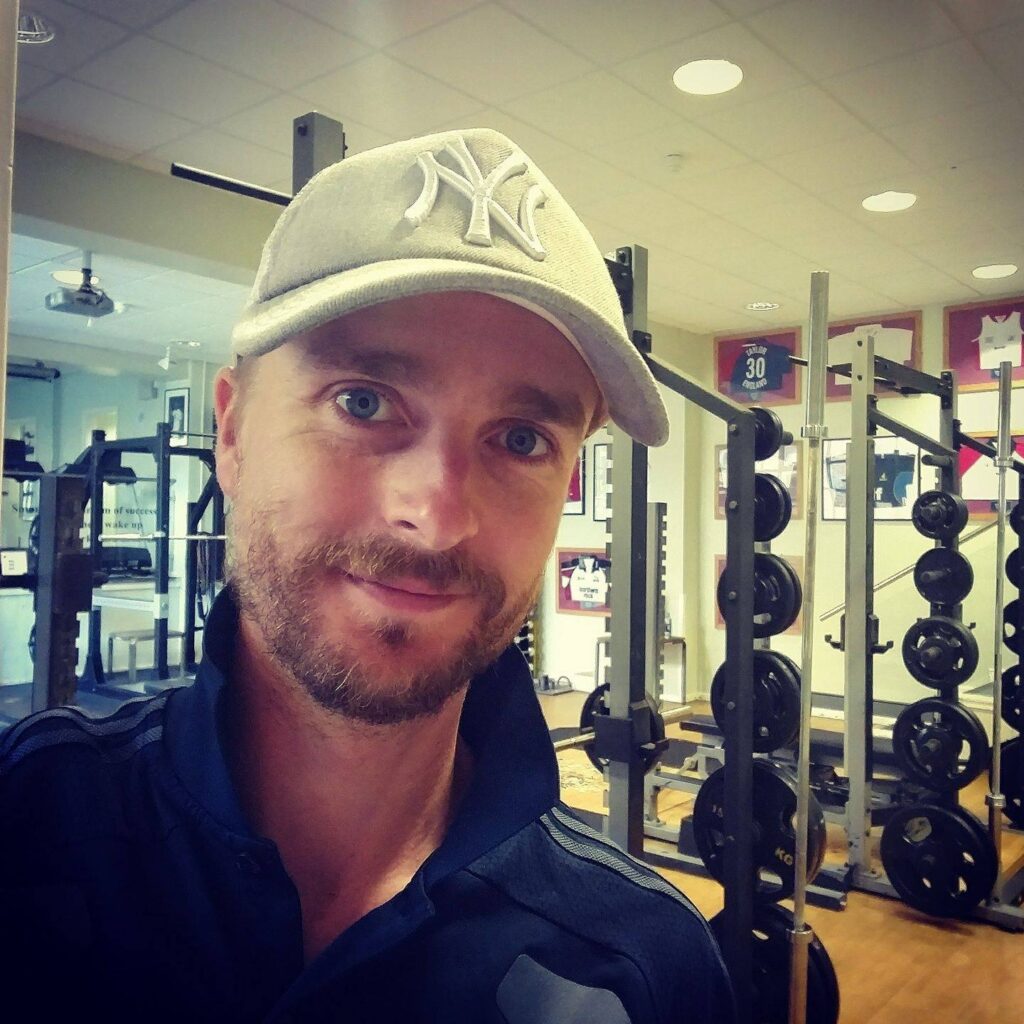
Paul McKeown’s first taste of coaching athletics in Sussex came when he was just 15 years old. In the over two decades since, he has a string of professional coaching qualifications under his belt as well as a sack load of experience, helping thousands of youngsters. Based at Brighton and Hove AC and Crawley AC, his philosophy and attitude is inspirational. Kate Matthews caught up with Paul to talk about his coaching and how he has been affected by Covid19.
Kate: Who are you?
Paul: Paul McKeown, 37, Brighton & Hove AC & Crawley AC.
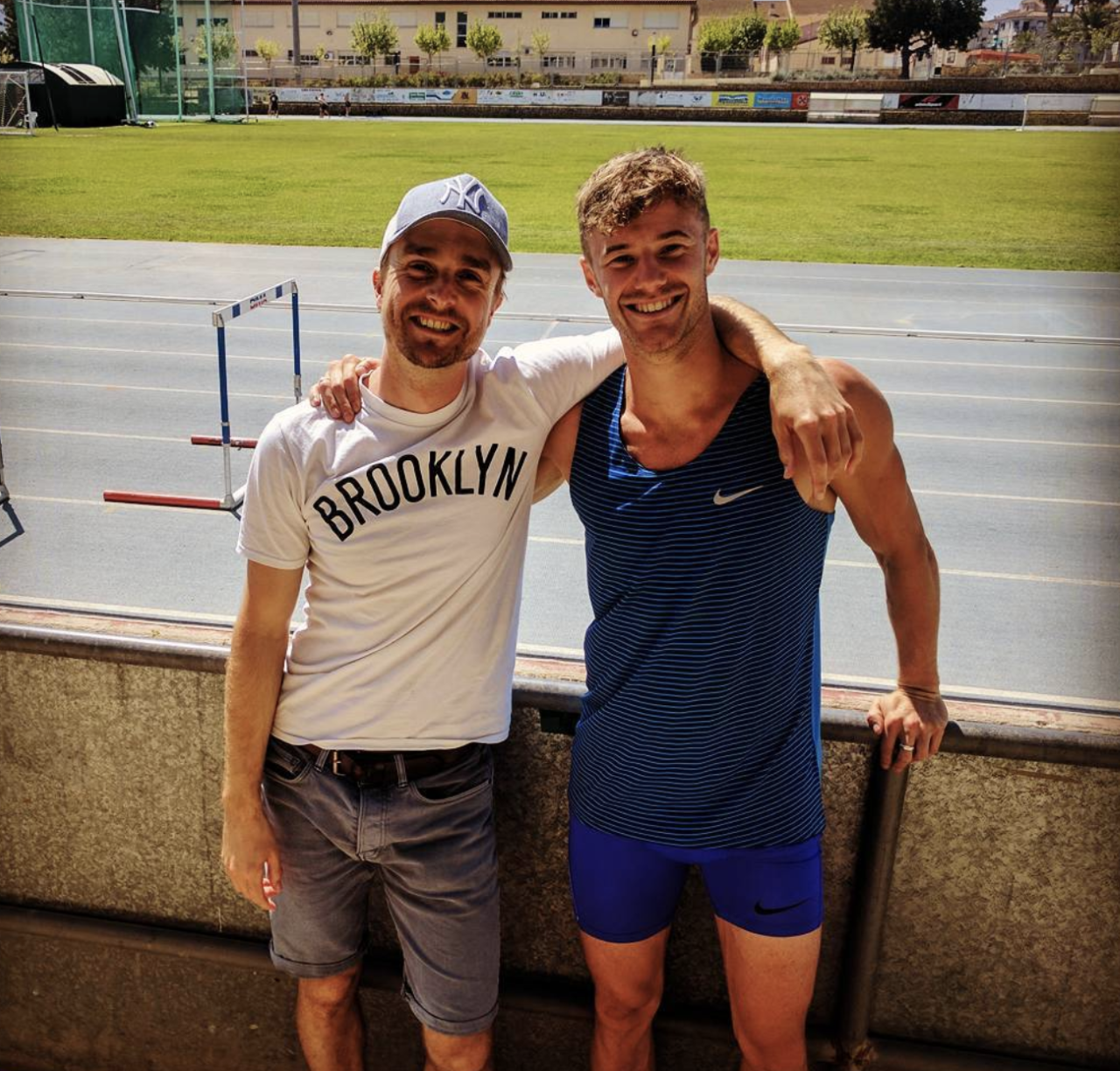
Kate: Which athletes do and have you coached?
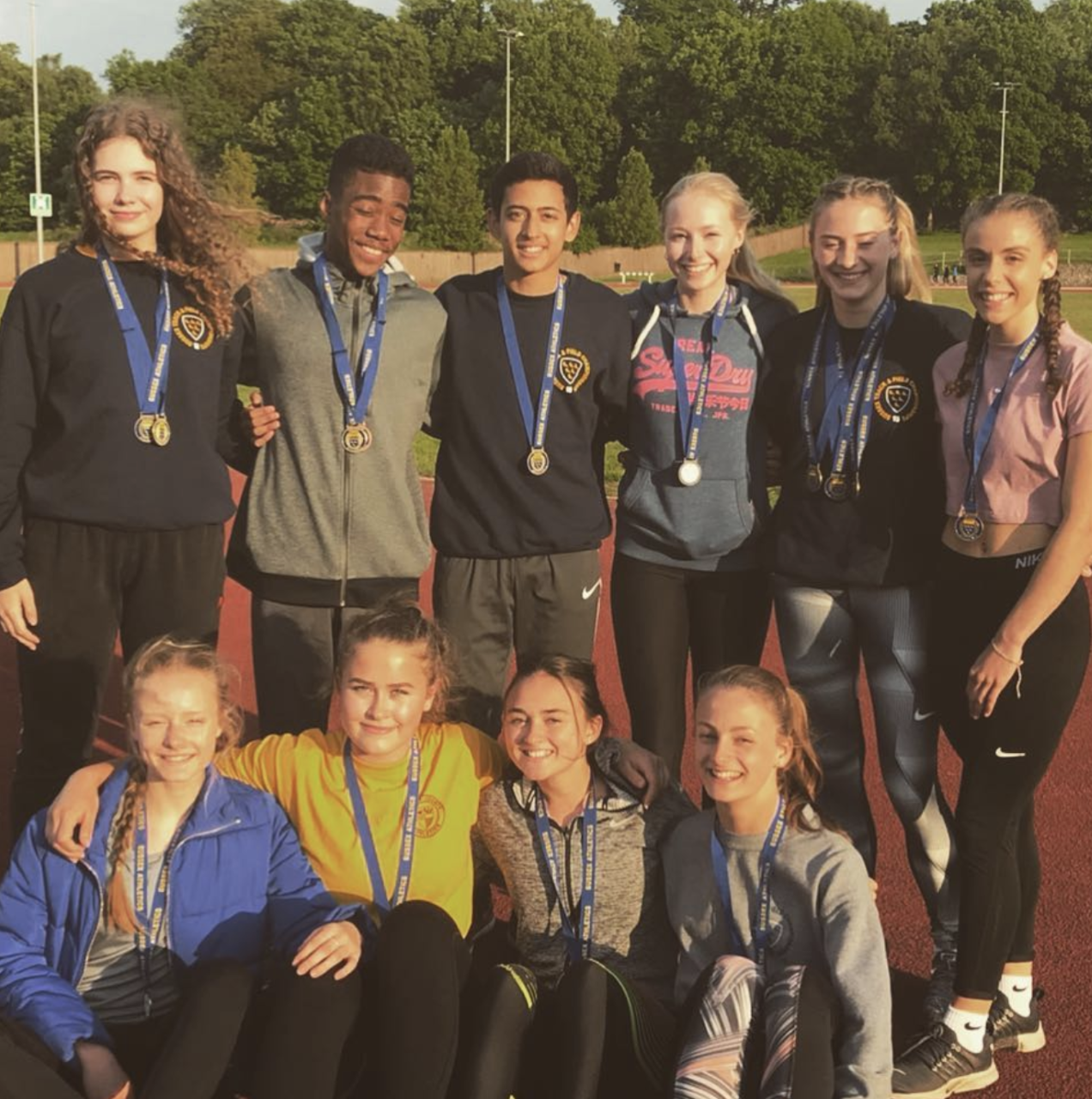
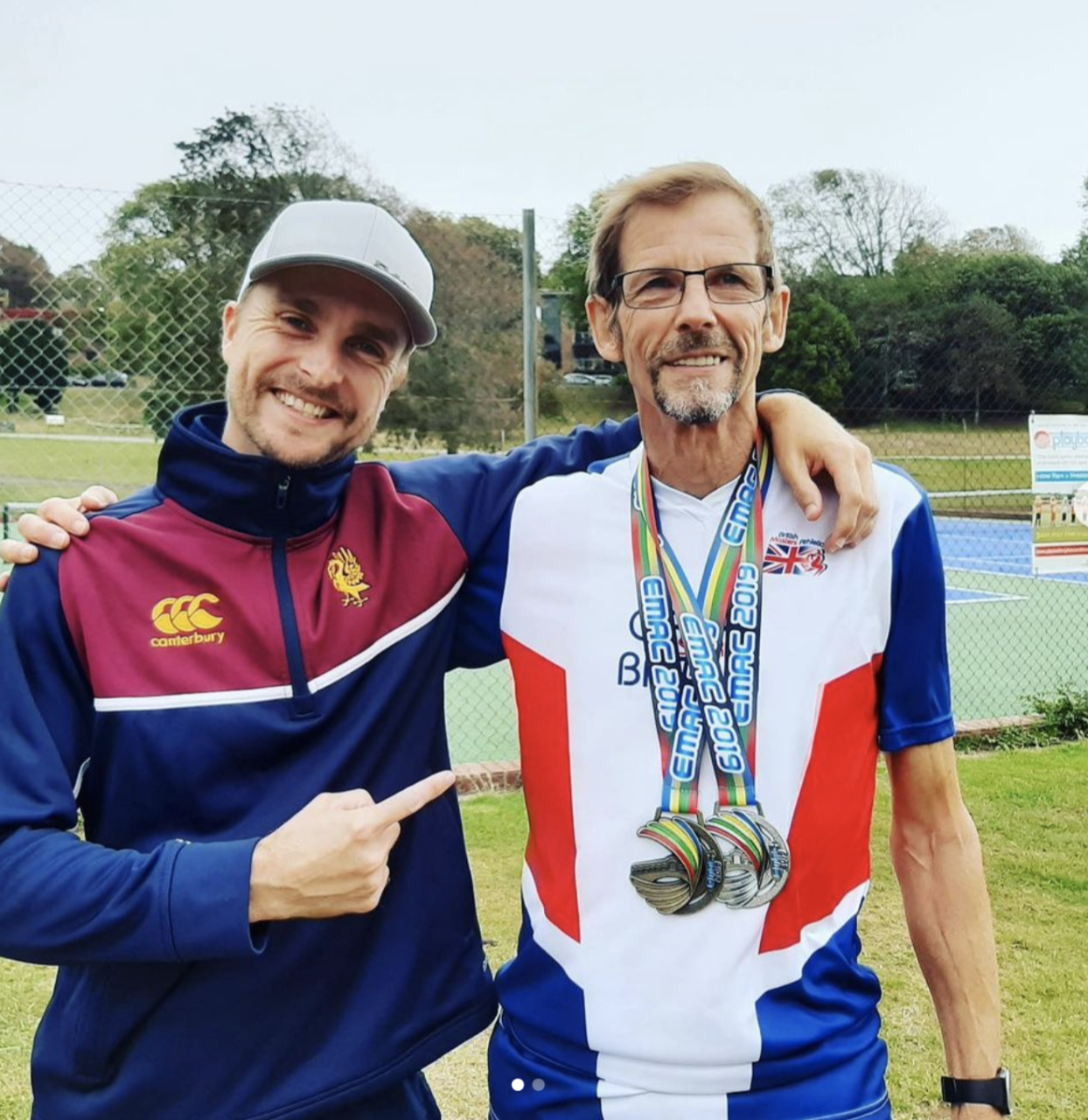
Paul: I’ve been lucky enough to coach individuals and teams from grass-roots all the way up to professional and international level in Athletics, Rugby, Hockey, Football, Cricket and Netball.
Kate: How long have you been coaching and how did you get into it?
Paul: I first started coaching when I was 15, getting paid £2.90 per hour helping out at a multi-sports summer school in Brighton. I was awful! It taught me a huge amount about managing children and communication. I also became very reflective very quickly. My first official coaching qualification came a couple of years later as a windsurfing instructor – an incredible course and certainly solidified my love for the vocation.
I’m going to find answering ‘Why I coach’ succinctly really difficult! I guess coaching is the magical middle ground between science, psychology and art. Coaching is constantly balancing best clinical practice with the needs and desires of individuals and teams, whilst delivering your message in a simple and engaging manner. I love the constant challenge of identifying how to get the best out of people and in turn, adapting processes and delivery to maximise outcomes – every individual and team is unique and it’s what makes coaching so fascinating.
Kate: Were you an athlete before a coach? How does coaching compare to the thrill of being an athlete yourself?
Paul: Yes – the shortest sprint hurdler in the world!
The thrill of competition with your team or athletes is just as strong (as competing yourself), if a little more complex. I personally try to keep my emotions during competition away from my athletes so we can stay positively objective about any next steps. When I was competing, I certainly did not hold back my feelings! And to be honest, if my athletes are not around, I’m generally screaming and shouting at the back!!
Kate: How often do you coach?
Paul: Having previously coached full time for over a decade, I now only coach around 4-5 times per week plus a few masterclasses and tutoring sessions sprinkled here and there. My regular sessions either involve sprints, hurdles, speed/agility for team sports or general strength and conditioning.
Kate: What are the highs and lows of being a coach?
Paul: Everything is either a high or low as a coach! You’ve got to be passionate to be effective and as such, sessions rarely sit in the middle – they’re mostly brilliant or awful!
The highs tend to sit into two general categories, the first simply being able to help someone achieve their goals. These can include winning a championship, achieving a new personal best, getting selected for a particular squad etc. However, for me, the bigger highs are when you help someone achieve a life lesson in some way. If a young athlete always hated PE at school and you helped them discover a love for sport, that’s an incredible feeling. If you work with an athlete through some kind of adversity, like an injury, or a family break up and help affirm that life is tough but there is always something we can do to positively affect your situation, these are simultaneously the most subtle and valuable moments of my coaching career.
The lows are inevitably felt most when relationships break down… more on this below.
Kate: What is/are your proudest moment(s)?
Paul: When I left my position as a strength and conditioning coach at a local school, I received many thank you letters from students, parents and teachers which were all heart-warming – however, one stuck out above the rest. During rugby sessions at this school, I would spend 15 minutes performing speed and agility drills with up to 6 teams each session – it was pretty fast and furious. Off the back of this small amount of time, one lad wrote to me saying how much he enjoyed these brief interludes, and he was now embracing his PE lessons having dreaded them before. He said he’s now training more in his spare time as he sees how sport and exercise can be fun, rewarding and even wants to start to work towards representing this school in competitions in the coming months.
This email is exactly the highs of coaching I was mentioning previously. However, the biggest lesson for me came from not immediately recognising the name of the boy who wrote it. I must have coached 1000s of youngsters during my time at this school and I am bad with names at the best of times! But what this email taught me was to always be wary of your conduct as a coach. You can have the most profound effect on an individual’s life and not even know. If your philosophy is to always get the best out of every athlete you have the honour to coach, no matter for how short-a-time, then you can only do good and the tremors of your influence will travel well beyond the confines of sport. Just lovely!
Kate: What have been the hardest moments?
Paul: Coaching is all about relationships and when you’re dealing with young athletes, having the parents on side is crucial to ensure a harmonious training environment. Luckily, I’ve generally had great relationships with my athletes and their parents, but like all coaches, I don’t always get this right.
The coach-athlete-parent triad is a fragile entity and if you spend 2-5 sessions per week, every week with a young group, the coach becomes a major part of the lives of the families involved. As such, if an athlete or parent feels that their coach has demonstrated some level of injustice towards them (e.g. not giving enough attention, team selections not going in their favour, not providing the expected support etc.) it is felt deeply. This feeling of injustice can spiral into full emotional turmoil which in some instances can cause one of the triad to publicly act out (whether blunt confrontation or passive aggressiveness). Sadly, this eventually tends to result in one of three possible outcomes for the athlete involved: they are alienated by the coach; they become alienated by the rest of the group (due to group loyalty to the coach); or they leave the squad. Of course, not all groups or coaches are the right fit for every individual, but the manner in which anyone leaves a coaching set up is crucial to the emotional health of all involved as well as the associated feelings the athlete has with the sport in general. The hardest thing as a coach during such eventualities is to continue to try and do right by the athletes involved. Even when relations with the certain families had completely broken down, I tried to act and communicate in a way that I would support their future decisions and help their transition to another group in any way I could.
Even though I’ve had very few instances like the above, I am extremely lucky to say I’ve had an exceptional network of coaches, health professionals, friends and families around me in support. I truly believe I may have quit some of my most beloved groups/clubs if they hadn’t been there for me. Every coach needs this kind of support. As such, if there are any coaches reading this struggling in their practice in any way, please feel free to reach out (paul@coachingperformance.co.uk).
Kate: How do you motivate your athletes to keep going and focus etc?
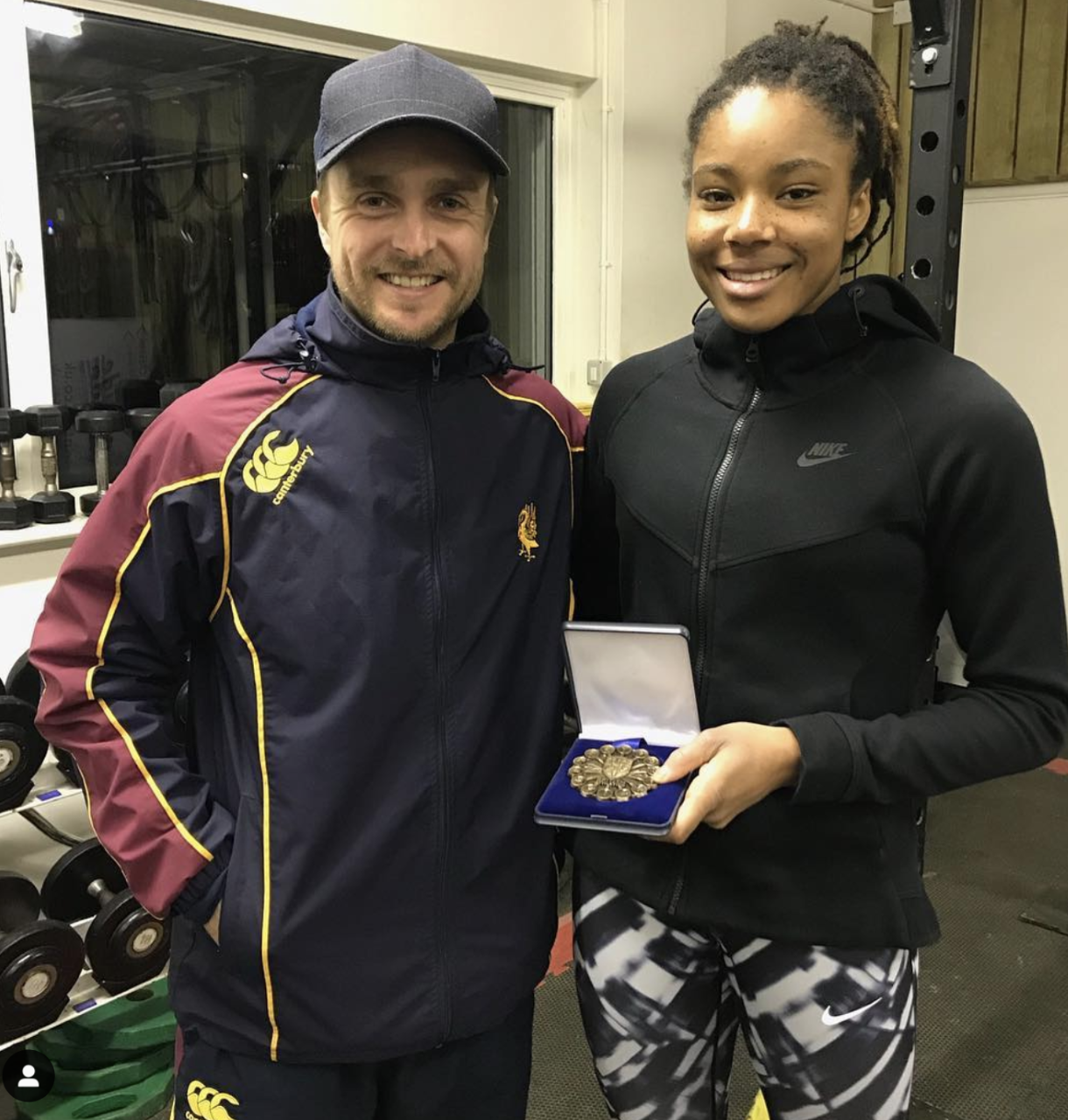
Paul: Each athlete is different and thus is motivated by different factors. However, if you keep things fun, focused, challenging and progressive, they generally continue to turn up!
I try to keep up to date by following certain websites/blogs, reading journal articles (I have a WhatsApp group with some friends from my MSc course who share regularly) and attending at least one coaching conference each year. But the best thing I believe any coach can do is talk shop with coaches you admire or, possibly even more importantly, have a different coaching philosophy/methodology do to you.
I would argue that many coaches (and sadly athletics lends itself to this problem) tend to stay siloed in their separate groups and can be defensive regarding ideas that challenge their practices - I have certainly fallen foul of this attitude at points during my career. As such, I try to keep my mind as open as possible. One of the strategies I implement that is least damaging to my ego is to spend time observing coaches in sports I am unfamiliar. Last winter, I spent 20 minutes intently focused on a fencing session that was going on in the same sports hall as my group were warming up. Attitudes, focus and culture were entirely different to us. Without going into detail, it made me compare and contrast deliveries and I have no doubt changed my outlook, even by the smallest margin, as a result.
Kate: What has coaching athletics brought to your life?
Paul: Joy, stress, worry, excitement - you name it! I guess most importantly the opportunity to hang out (and act the clown!) with some incredible people.
Kate: Has coaching changed over the years?
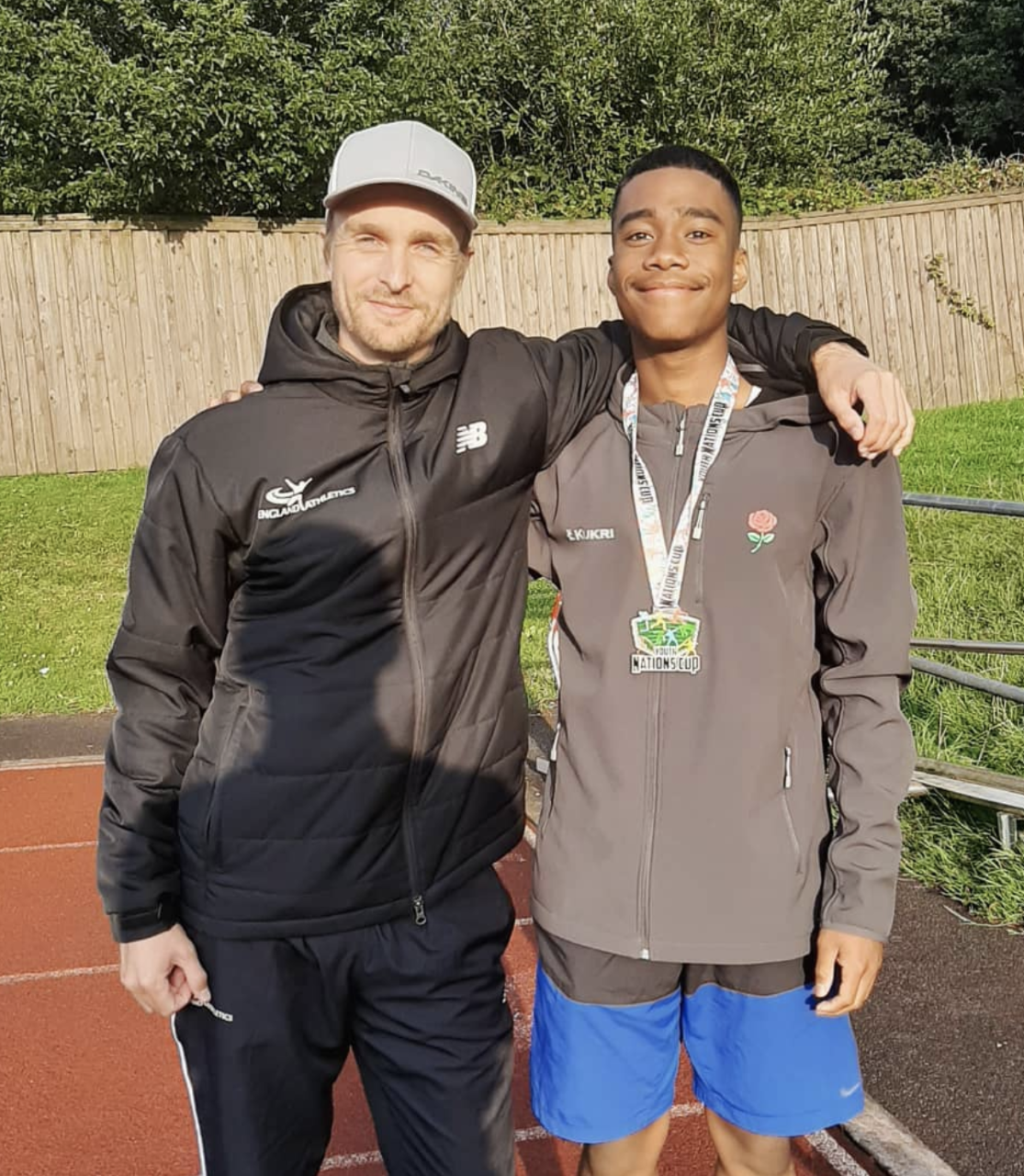
Paul: The availability of knowledge, both good and bad, has changed dramatically since I started. The internet is a wash of training plans, games, advise to get the best from your sessions and athletes. I believe it’s more important than ever for coaches to hold themselves accountable and be critical towards any new piece of information they come across. One of my strongest pieces of advice in this regard is to automatically revere no one. Just because they coach great athletes, they have a polished YouTube channel etc. it doesn’t mean they are great coaches (especially when junior athletes are involved). However, experience must always be respected. As such, finding a balance requires effort… I wish you luck!
Kate: What are the main difficulties that face you and your athletes in normal times?
Paul: Here’s my opportunity to rant?! Amazing!
The main issue that comes to mind is the reputation of athletics in general. When our sport is in the media it tends to go hand in hand with drug cheating or scandals regarding gender etc. – none of which help attract new athletes nor help support our current athletes into professionalism.
I also do not like the professionalism of our youth athletes. Right at the top of my list would be U13 and U15 athletes being disqualified during open meetings (or any meeting for that matter!). Kids make mistakes and we should actively embrace them, not discourage. On the same note, parents, coaches and athletes alike are obsessed with Power of 10 rankings and often forget about the joy of competition for its own sake. How about we get rid of the Power of 10 for these age groups?
Saying the above, there are some fantastic field judges who are sensitive to young emotions. Often, they will still measure no-jumps/throws to let the athlete know what they might have achieved. However, there is no equivalent to this on the track. The best a starter can do is be lenient with false starts or line infringements, but during league or national meets, the pressure to enforce the rules due to parents and managers is just not worth it.
Surely, at these young ages, doesn’t this country want to know who has potential and encourage the love of the sport – not discourage fledgling talent through enforcing rules they may not understand or infringe due to nerves?
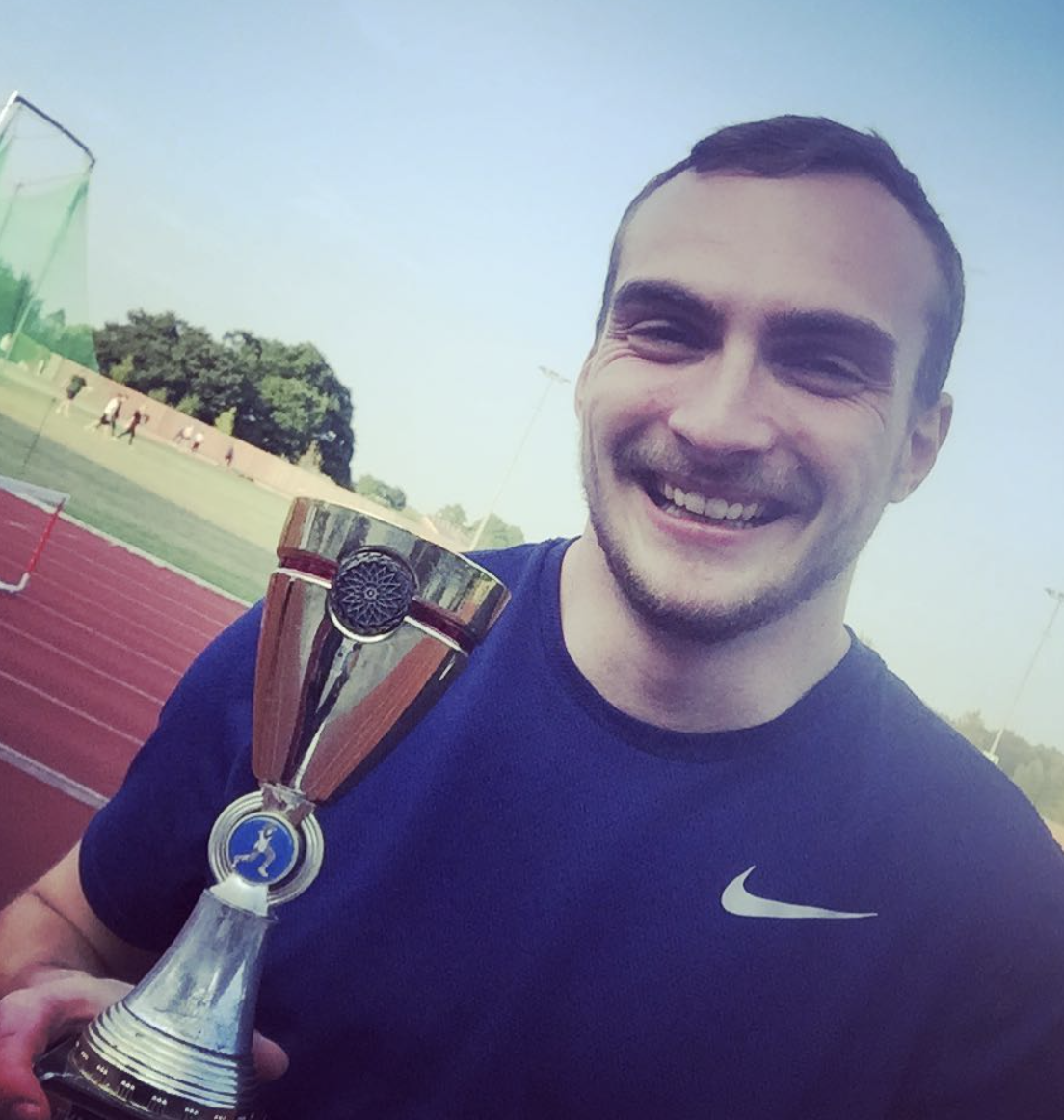
Kate: What have been the main difficulties facing you and your athletes during Covid19? How have you overcome these? Is it getting harder to manage the more lockdowns we face?
Paul: Same as everyone – no track time, no competition, no socialising with the group etc. Having said this, my intermediate/senior groups have been incredible. From a physical and self-discipline point of view, we’ve used lockdown to become cardio-vascularly fitter than we have ever been before. We’ve also used this time to introduce new stimuli that we would never have had the opportunity if lockdown had not occurred. This generally comes from our philosophy to always look for the positives in any situation and I’m so proud of my guys that they’ve continued to do so during such a stressful/challenging period.
Kate: Would you encourage others to become coaches and why?
Paul: It is certainly a great feeling being able to help an athlete achieve their goals. However, there is no better feeling than using sport to help someone achieve a new confidence, and thus, maybe get them a little closer to reaching the true potential of their character. If you are interested in people and are in need of some passion in your life, sign up to a coaching course – you won’t regret it.
Kate: How could the world of athletics be improved for both athletes and coaches?
Paul: I spoke about this above, but I see athletics losing favour with the British public as an exciting and respected sport. Even before lock-down, the Birmingham Stadium during the national champs was half empty. To me, it looks like people only watch/support track and field if they are personally connected in some way - i.e. they compete, they coach or have a family member involved. We need to make athletics competitions more exciting – this may mean new events, evolving existing ones or making a true spectacle of competition days. If you’ve ever been to a baseball game in the US, there’s more going on in the breaks than the plays themselves and it’s awesome!