
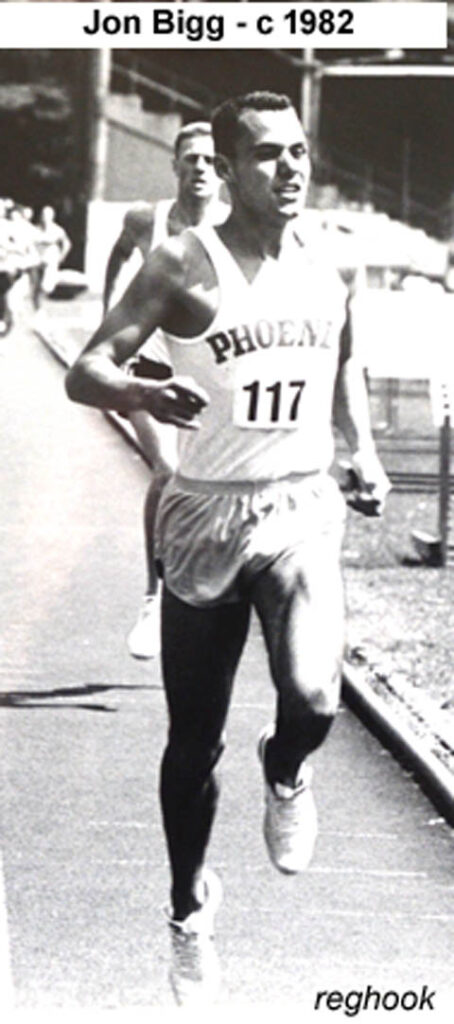
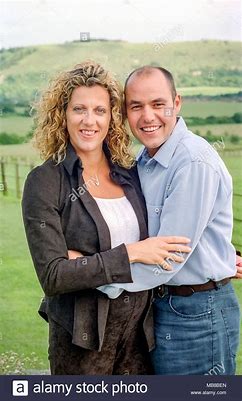
As a youngster Jon Bigg represented England in the 800m. It was also as a Brighton Phoenix athlete that he met his wife, former Olympic and World gold medalist Sally Gunnell. They were both 19 years old on a athletes Under 23s trip to Australia. The couple went on to have three children. Injury prevented Jon from taking his own athletics career further, but it didn’t stop his involvement in the sport. Instead he turned to coaching. Kate Matthews caught up with Jon for a chat about coaching and how he is dealing with Covid19.
 Kate: Who are you?
Jon: Jon Bigg, PHX/TRK track (Elite middle distance group based in Sussex).
Kate: Which athletes do you coach?
Jon: Here are the present list of athletes in the group right now:
Elliot Giles 800m 1:44.6
Spencer Thomas 800m 1:46.0
Kyle Langford 800m 1:44.7
George Mills 800/1500 1:47.0 and 3:36.8
Ellie Baker 800m 2:02.8
Kate: How long have you been coaching and how did you get into it? 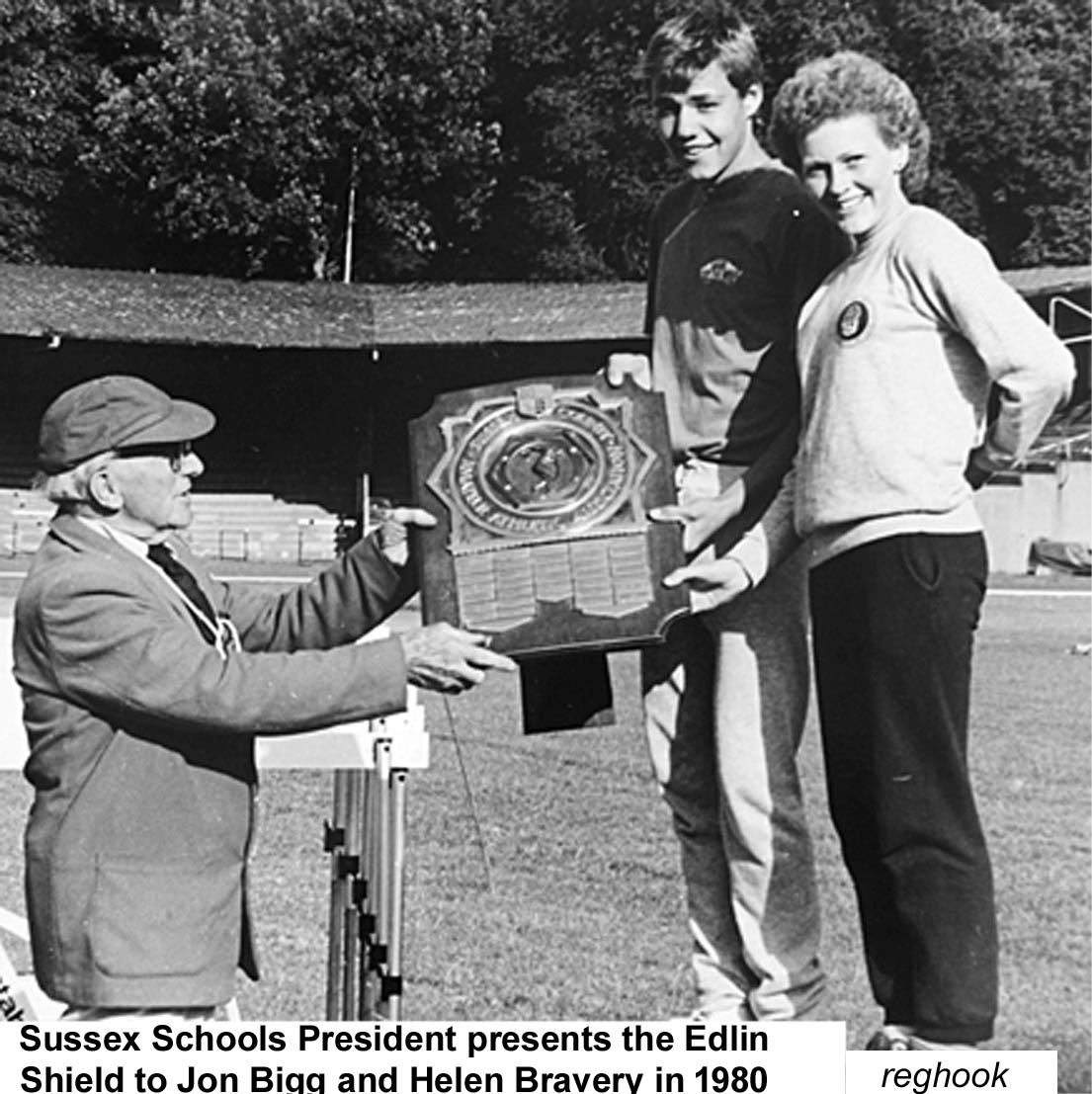
Jon: Tim Baylie asked me to coach him once he wanted to move from 400m to 800m. This started me coaching having had an athletic career running 800m at international level achieving 1:48.3. I coach because I like to help athletes achieve their goals.
Kate: How often do you coach?
Jon: I coach every day as I also have development athletes in our PHX/TRK academy.
Session wise - it can be anything from grass reps, track sessions, hill work, speed development tempo trail runs and Strength and Conditioning.
Kate: What are the highs and lows of being a coach?
Jon: Highs are seeing people winning or achieving their goals.
Lows are when, for some reason or other, an athlete does not get the results they are showing possible in training.

Kate: What is/are your proudest moment(s)?
Jon: Seeing Kyle Langford win Silver at Commonwealth games, and Shelayna win her silver medal at the world indoors in Birmingham.
Kate: What have been the hardest moments?
Jon: Hardest moment has been seeing Charlie Grice not make the world champs team having run 3:30 in that season.
Kate: How do you motivate your athletes to keep going and focus etc?
Jon: We work out session planning on an individual base, using Training Peaks as our communication tool, we will test every 4-6 weeks to make sure we are hitting the right areas.
We set clear goals in all aspects of their training and racing and monitor and adjust these as we go.
Coaching is difficult from the point of view that the athlete has to do the last bit by themselves, but that’s also the bit I enjoy working on and making them take responsibility for their performance
Kate: What has coaching athletics brought to your life?
Jon: Coaching has taught me a lot about life and its ups and downs. More is not always better, faster is not always right, smart individualised training is the way forward.
Kate: What are the main difficulties that face you and your athletes in normal times?
Jon: Main difficulties facing all athletes is funding and how to keep training at the level they need to compete at world level.

Kate: What have been the main difficulties facing you and your athletes during Covid19, and how have you overcome these?
Jon: Covid has thrown up its own challenges but again most of this can be overcome with planning and adjusting to what is possible. Athletics is facing a very challenging time right now with Covid making it even more difficult.
Kate: Would you encourage others to become coaches and why?
Jon: Coaching is not for everyone just because you have been an athlete is not enough to become a good coach, you have to be super interested in learning and discovering ways to help athletes become the best they can.